How to Prevent Your Car From Getting Stuck in Edmonton Snow
Getting stuck in snow is one of the most frustrating experiences for Edmonton drivers. Whether it’s spinning your wheels in a parking lot after a grocery run or sliding off a side street during your morning commute, being trapped by snow wastes time, causes stress, and often requires professional help. The good news is that most stuck situations are preventable with the right preparation, driving techniques, and awareness. This guide shows you exactly how to avoid getting stuck in Edmonton’s challenging winter conditions so you can drive with confidence all season long.
Understanding Why Cars Get Stuck in Snow
Before learning prevention strategies, it’s important to understand the mechanics of getting stuck. When your tires spin on snow or ice, they generate heat that melts the surface, creating a slippery water layer that offers zero traction. The more you spin, the slicker it gets and the deeper you dig. This is why aggressive acceleration when stuck only makes the problem worse.
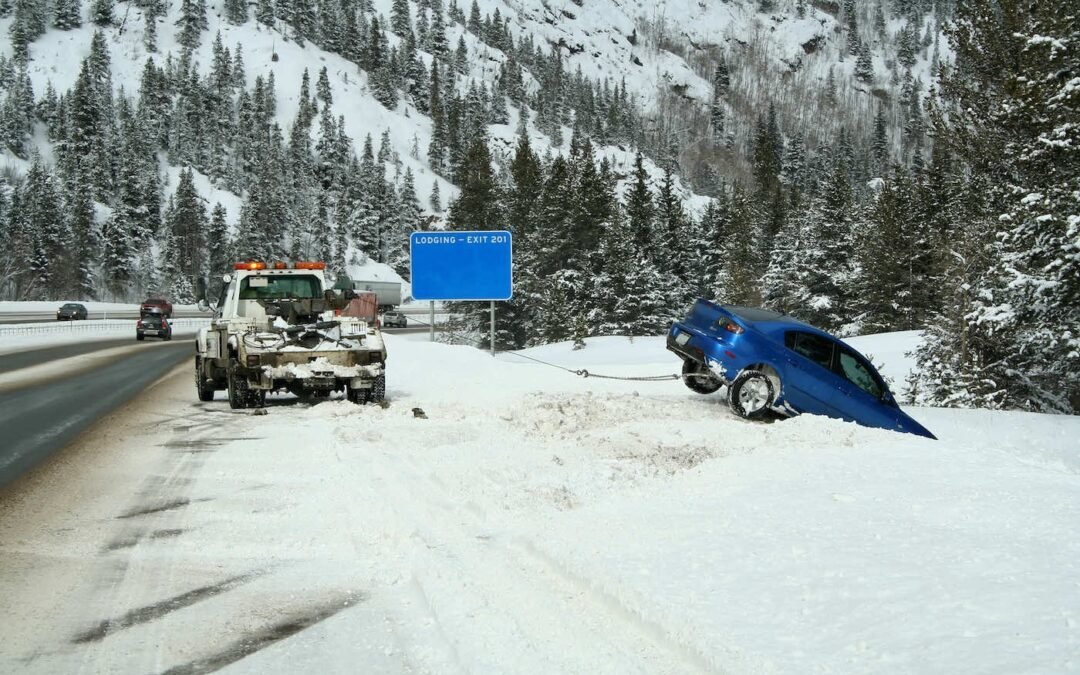
Cars also get stuck when they become high-centered—the undercarriage rests on packed snow while the wheels lose contact with the ground. This commonly happens when driving through deep snow or over snow ridges left by plows. Once high-centered, no amount of wheel spinning helps because your tires aren’t touching anything solid. Professional winching and recovery service is often needed to extract high-centered vehicles safely.
Weight distribution plays a crucial role too. Rear-wheel drive vehicles place most weight on the front wheels, leaving the drive wheels light and prone to spinning. Front-wheel drive fares better but still struggles in deep snow. All-wheel drive provides the best traction by powering all four wheels, but it’s not invincible—AWD helps you go but doesn’t help you stop or steer better than two-wheel drive on ice.
Install Proper Winter Tires
The single most effective way to avoid getting stuck is using proper winter tires. All-season tires are inadequate for Edmonton winters—they’re designed as a compromise for mild climates, not for -30°C temperatures and deep snow. All-season rubber hardens in extreme cold, losing flexibility and grip. The tread patterns are optimized for dry and wet roads, not snow and ice.
Winter tires use special rubber compounds that stay flexible down to -40°C and below. They feature aggressive tread patterns with deep grooves that bite into snow and channel away slush. The difference in traction is dramatic—winter tires provide up to 50% better grip on snow and ice compared to all-seasons. This means better acceleration, shorter stopping distances, and significantly reduced chances of getting stuck.
Install winter tires on all four wheels, not just the drive wheels. Using winter tires only on the front of a front-wheel drive car improves acceleration but makes the rear end unstable and prone to sliding. For maximum safety and traction, all four corners need the same grip. Have your winter tires installed by early November before the first major snowfall, and keep them on until at least mid-April when Edmonton’s unpredictable spring weather finally stabilizes.
Master Snow Driving Techniques
Maintain Steady Momentum
The key to driving through snow is maintaining steady, constant momentum without stopping. Once you stop on a slippery surface, getting moving again becomes difficult. Plan your route to minimize stops—time traffic lights, leave extra space to avoid sudden braking, and anticipate obstacles well in advance. Think of snow driving as a smooth, flowing process where you maintain gentle forward motion rather than the stop-and-go patterns of normal driving.
Start Gently and Accelerate Slowly
When starting from a stop on snow, the lightest possible touch on the gas pedal is essential. Aggressive acceleration spins your tires immediately, wasting traction and digging you into a stuck position. Apply power so gently that your tires barely turn—slow and steady wins on snow. Once you’re moving, continue accelerating gradually. If you feel your tires starting to slip, ease off the gas slightly until they regain grip, then continue.
Use Higher Gears for Better Control
Starting in second gear (if your vehicle allows manual gear selection) reduces wheel torque and makes it easier to avoid spinning tires. Less torque means less aggressive power delivery, giving you better control on slippery surfaces. Many modern vehicles with automatic transmissions have winter or snow modes that automatically start in higher gears—use this feature whenever driving in deep snow or on ice.
Turn Off Traction Control When Stuck
Traction control is helpful for normal winter driving, but if you’re already stuck or trying to navigate through deep snow, it can be counterproductive. Traction control cuts engine power when it detects wheel slip, which prevents you from building the momentum needed to break free. If you feel your vehicle struggling in snow, temporarily disable traction control to allow some controlled wheel spin that can help you power through. Re-enable it once you’re back on clear roads.
Avoid Common Stuck Situations
Don’t Park in Deep Snow
After heavy snowfalls, parking lots and residential streets have areas of deep, unplowed snow. Before parking, look for spots that have been plowed or packed down by previous vehicles. Avoid parking directly in front of snowbanks created by plows—you’ll have to drive through or over them to exit, which often results in getting stuck or high-centered.
If your only option is a snowy spot, try to position your vehicle so you can exit forward rather than backing up. Front-wheel drive vehicles have much better traction going forward than reverse. Also consider the route you’ll need to take when leaving—can you drive straight out onto a clear path, or will you need to navigate through deep snow and make turns on slippery surfaces?
Watch for Snow-Covered Driveways
Residential driveways can be tricky after snowfalls. If you arrive home to an uncleared driveway with 20+ cm of fresh snow, assess whether your vehicle can make it through. Compact cars with low ground clearance often bottom out in deep snow. If you’re unsure, shovel a path first or park on the street overnight and clear your driveway in daylight.
For sloped driveways covered in ice, extreme caution is necessary. Going up an icy incline, you risk losing traction halfway and sliding backward. Going down, you risk sliding uncontrollably into the street. Spread sand, kitty litter, or ice melt before attempting icy driveways. If conditions seem too dangerous, park safely elsewhere and deal with the driveway when temperatures rise or you can properly prepare the surface.
Recognize and Avoid Snowbanks
Edmonton’s snow plows create massive snowbanks along roads and at parking lot entrances. These banks are dense, heavy, and difficult to drive through. Don’t assume you can power through a large snowbank—you’ll likely get stuck or damage your vehicle. Look for gaps or cleared sections, or take an alternate route that avoids snowbanks entirely.
If you must cross a snowbank to enter or exit a parking lot, approach it straight-on rather than at an angle. Angled approaches can twist your vehicle sideways and get you stuck diagonally across the bank. Go slowly and steadily, maintaining gentle acceleration. If you start to get stuck, stop immediately and back up while you still can—don’t keep pushing forward and bury yourself deeper.
Prepare Your Vehicle for Winter
Add Weight Over Drive Wheels
For rear-wheel drive vehicles, adding weight over the rear axle significantly improves traction. Place 50-75 kg of sandbags, kitty litter bags, or other heavy materials in your trunk directly over the rear wheels. This extra weight presses the drive wheels down, increasing their grip on snow and ice. Don’t use loose materials that can shift—secure bags properly so they don’t slide around during driving.
Front-wheel drive vehicles already have good weight distribution with the engine over the drive wheels, so adding weight usually isn’t necessary. All-wheel drive vehicles benefit slightly from balanced weight, but the traction advantage from AWD is more significant than weight alone. For pickups with empty beds, weight over the rear axle is especially important as light rear ends make these trucks notoriously bad on winter roads.
Check Tire Pressure Weekly
Tire pressure drops in cold weather—approximately 1-2 PSI for every 10°C decrease in temperature. Underinflated tires have reduced contact with the road and increased sidewall flex, both of which reduce traction and increase your chances of getting stuck. Check your tire pressure weekly throughout winter using an accurate gauge when tires are cold (before driving).
The correct pressure is listed on a sticker inside your driver’s door jamb, not the maximum pressure stamped on the tire sidewall. Keep all four tires at the recommended pressure for optimal traction, fuel efficiency, and tire life. If you’re frequently adding air to the same tire, you have a slow leak that needs professional attention—don’t ignore it.
Clear Snow From Your Vehicle Completely
Before driving, clear all snow from your hood, roof, trunk, lights, and windows. Snow on your hood can blow onto your windshield while driving, blocking visibility. Snow on your roof slides forward when you brake, covering your windshield or flying off and hitting vehicles behind you. Edmonton police can ticket drivers for inadequate snow removal, and you’re liable for accidents caused by snow flying from your vehicle.
Also clear snow from around your wheels and wheel wells. Packed snow in wheel wells can freeze and interfere with steering or rub against tires. Kick away snow from behind your tires before backing up—a small ridge of snow can stop you from moving backward, leading to wheel spinning and getting stuck.
Keep Your Gas Tank Above Half Full
Maintaining at least a half-full tank throughout winter prevents several problems. First, it adds weight to your vehicle for better traction. Second, it prevents fuel line freeze-ups that can occur when condensation in a nearly empty tank freezes. Third, if you get stuck or stranded, you’ll have enough fuel to run your engine intermittently for heat while waiting for help. Make refueling part of your regular winter routine rather than waiting until your tank is nearly empty.
Carry Winter Emergency Equipment
Even with perfect prevention strategies, unexpected situations happen. Every Edmonton vehicle should carry a winter emergency kit including a sturdy metal-blade shovel, bag of sand or non-clumping kitty litter, traction mats or boards, ice scraper and snow brush, jumper cables or portable battery booster, flashlight with extra batteries, warm blankets, extra winter clothing, non-perishable snacks and water, first aid kit, and a charged phone with emergency contacts.
These items take up minimal trunk space but can make the difference between a minor inconvenience and a serious emergency. If you do get stuck, having a shovel and traction material often allows self-recovery without needing professional help. If self-recovery isn’t possible, blankets and extra clothing keep you safe and warm while waiting for vehicle recovery service.
Know When to Call for Professional Help
Sometimes despite your best efforts, you still get stuck. Recognizing when to stop trying and call professionals prevents vehicle damage and keeps you safe. Call for help if your wheels are spinning but you’re not moving at all, your vehicle is high-centered on snow, you’re stuck in a dangerous location near traffic, you’ve been trying for more than 10 minutes without progress, or you’re on a steep slope or difficult terrain.
Continuing to spin your tires once you’re truly stuck causes transmission damage, burns through tire tread, and often makes the situation worse by digging deeper holes. Professional recovery uses winches and proper techniques to extract stuck vehicles without causing damage. Call (780) 652-0521 for fast winching and recovery anywhere in Edmonton. We’ll assess your situation and dispatch the right equipment to get you moving safely.
Special Considerations for Different Vehicles
Front-Wheel Drive Vehicles
Front-wheel drive offers good snow traction because engine weight sits directly over the drive wheels. These vehicles handle winter well but can struggle on steep hills or in very deep snow. When stuck, turning your steering wheel slightly side to side while gently accelerating sometimes helps the front tires find grip. Avoid aggressive acceleration that causes wheel spin—smooth and steady is key for FWD in snow.
Rear-Wheel Drive Vehicles
Rear-wheel drive vehicles are the most challenging in winter due to light weight on the drive wheels. If you drive RWD, winter tires and added weight in the trunk are essential, not optional. These vehicles are prone to fishtailing and getting stuck on even mild inclines. Drive more cautiously than FWD or AWD vehicles, avoid hills when possible, and keep extra traction materials in your trunk for emergencies.
All-Wheel Drive and 4WD Vehicles
AWD and 4WD provide excellent traction for accelerating and navigating through snow, but they don’t help you stop or steer better than two-wheel drive. Many AWD drivers become overconfident and drive too fast for conditions, then discover their vehicle slides just as easily as any other when braking or turning. Use AWD as a tool for better traction, not as permission to ignore winter driving caution.
Low Ground Clearance Vehicles
Sports cars, sedans, and other vehicles with low ground clearance easily become high-centered in deep snow. If you drive a low car, avoid unplowed parking lots, deep snow areas, and driving over snow ridges. Stick to well-maintained roads and cleared parking spaces. If you must navigate questionable areas, go very slowly and watch for signs of bottoming out—scraping sounds or sudden loss of momentum mean you’re hitting the snow with your undercarriage.
Winter Driving Resources Across Edmonton
Edmonton’s winter conditions vary by neighborhood. Older areas like Strathcona and Glenora have narrow streets that accumulate snow quickly. Suburban areas like Mill Woods have wide roads but large parking lots with minimal plowing. Downtown Edmonton streets are plowed regularly but underground parkades can be icy and slippery.
If you do get stuck anywhere in Edmonton, our 24/7 recovery service responds quickly across all neighborhoods. We also provide complete winter roadside assistance including battery boosts, tire changes, and emergency towing—everything you need to handle Edmonton’s challenging winter conditions.
Frequently Asked Questions
What’s the best way to get unstuck from snow by myself?
If you’re only slightly stuck, try these steps: clear snow from around all four tires and underneath your vehicle, place sand, kitty litter, or traction mats in front of your drive wheels, turn off traction control, and gently rock back and forth by lightly tapping between drive and reverse. If you’re not free within 10 minutes or your wheels just spin, stop and call (780) 652-0521 for professional recovery. Continuing to try causes vehicle damage.
Are winter tires really necessary in Edmonton?
Absolutely. Edmonton’s extreme cold and heavy snowfall make winter tires essential, not optional. All-season tires provide inadequate traction below -15°C and in snow. Winter tires offer 50% better grip, dramatically reducing your chances of getting stuck, sliding, or losing control. The cost of winter tires is far less than the cost of accidents, vehicle damage, or repeatedly needing recovery service. Every safe Edmonton driver uses proper winter tires.
Should I buy snow chains for Edmonton driving?
Snow chains are rarely necessary in Edmonton. Proper winter tires provide excellent traction for normal city and highway driving. Chains are beneficial for extreme situations like mountain driving, logging roads, or severe ice, but these conditions are uncommon for typical Edmonton driving. If you do use chains, follow manufacturer instructions carefully and never exceed 50 km/h. Chains can damage your vehicle if improperly installed or driven too fast.
How do I drive through deep snow without getting stuck?
To navigate deep snow successfully: maintain steady momentum without stopping, accelerate very gently to avoid wheel spin, keep your steering straight rather than turning, use higher gears if possible to reduce torque, and if you start to lose momentum, stop and back up rather than pushing forward. If snow is deeper than your ground clearance, find an alternate route—forcing through will likely get you high-centered and stuck.
What should I do if I get stuck on a busy road?
If you’re stuck on a highway or busy street, your safety is the priority. Turn on hazard lights immediately, stay in your vehicle with seatbelt fastened, call (780) 652-0521 for emergency help, and don’t stand outside trying to dig or push your vehicle. Our recovery vehicles have proper safety equipment and lighting to work safely near traffic. We’ll extract your vehicle and get you moving quickly.
Can I prevent my driveway from becoming too slippery?
Yes. After shoveling or plowing your driveway, spread sand, kitty litter, or ice melt to improve traction. For sloped driveways, clear snow promptly before it gets packed down and turns to ice. If your driveway consistently becomes too slippery to navigate safely, consider having it professionally cleared or installing heating cables that melt snow and ice automatically. Safe driveway access prevents getting stuck at home.
How much does recovery service cost if I get stuck?
Recovery service pricing depends on your location and how deeply stuck you are. Simple extractions from parking lot snow typically cost $150-$200. More complex recoveries from ditches or deep snow may cost more. When you call (780) 652-0521, we’ll ask about your situation and provide upfront pricing before dispatching. We never charge surprise fees or hidden costs.
Does insurance cover getting stuck in snow?
Standard auto insurance typically doesn’t cover getting stuck in snow unless it’s related to an accident or breakdown. However, many policies include optional roadside assistance that covers recovery, towing, and other services. Check your policy details or call your insurer to confirm what’s covered. Even without coverage, professional recovery costs far less than vehicle damage from aggressive DIY extraction attempts.
Drive Smart, Stay Unstuck
Preventing stuck situations in Edmonton winter comes down to preparation, proper equipment, and smart driving techniques. Install winter tires on all four wheels, carry emergency equipment, maintain steady momentum through snow, and know when to call for professional help. These strategies keep you moving safely all winter long and minimize frustrating, time-consuming stuck situations.
If you do get stuck despite your best efforts, don’t panic and don’t damage your vehicle trying to force it free. Call (780) 652-0521 immediately for professional vehicle recovery. We’ll dispatch quickly and extract your vehicle safely using proper equipment and techniques. Available 24/7 across all Edmonton neighborhoods and surrounding areas—fast, reliable help whenever winter catches you off guard.