
Dead Battery vs. Alternator Problems: How to Tell the Difference
Your car won’t start. You turn the key (or push the button), and instead of the engine roaring to life, you get clicking, dimming lights, or complete silence. In Edmonton’s brutal winters, this scenario plays out thousands of times every week. But before you replace parts or call for help, you need to answer one critical question: is it the battery or the alternator?
This matters because replacing the wrong part wastes money and doesn’t fix the problem. A dead battery with a good alternator just needs a jump or replacement. A failing alternator will kill any battery you install—sometimes within hours. Understanding the difference saves you from repeated breakdowns and unnecessary repairs.
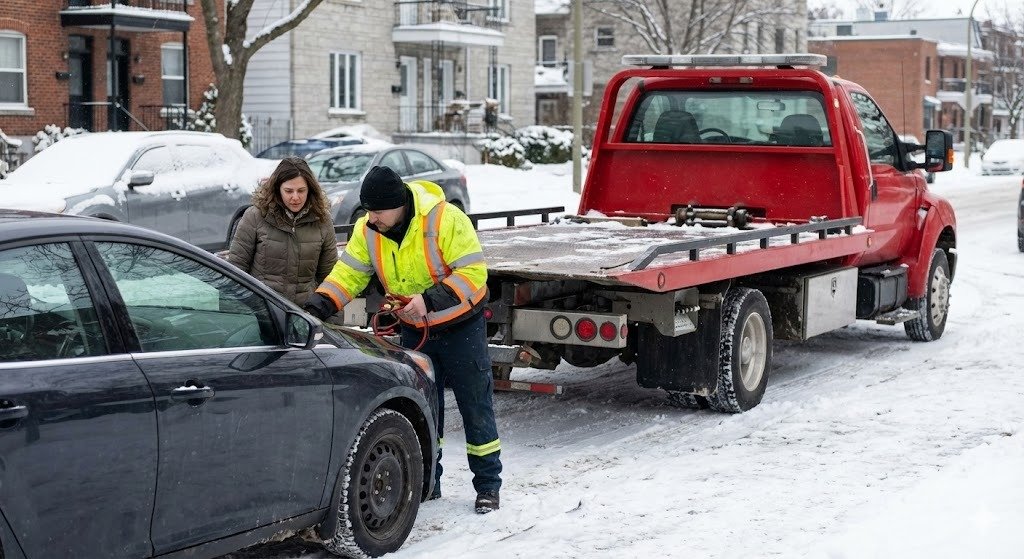
If you’re stranded right now and need immediate help, call Edmonton Towing at (780) 652-0521 for 24/7 battery boost service. We’ll get you started and can help determine if you need further service.
Understanding Your Car’s Charging System
Before diagnosing problems, it helps to understand how these components work together.
The Battery’s Role
Your car battery has one primary job: provide the burst of electricity needed to start the engine. It also powers accessories when the engine is off and stabilizes voltage in the electrical system. A typical car battery stores about 12.6 volts when fully charged.
The Alternator’s Role
Once the engine is running, the alternator takes over. This belt-driven generator converts mechanical energy from the engine into electrical energy. It powers all your car’s electrical systems while driving AND recharges the battery. A healthy alternator produces about 13.5-14.5 volts while the engine runs.
How They Work Together
Think of the battery as a reservoir and the alternator as the pump that refills it. When you start your car, the battery empties some of its charge. The alternator immediately begins refilling that charge while also powering everything else. If either component fails, the system eventually stops working—but the symptoms differ.
Symptoms of a Dead or Dying Battery
Battery problems typically show specific patterns. Here’s what to look for.
Slow Cranking on Startup
When you turn the key, the engine turns over slowly, like it’s struggling. The “ruh-ruh-ruh” sound is labored rather than crisp. This indicates the battery doesn’t have enough power to spin the starter motor at full speed. In Edmonton’s cold, this symptom is very common as batteries lose cranking power in low temperatures.
Clicking Sound with No Start
A rapid clicking when you turn the key means the battery has some power but not enough to engage the starter. A single click followed by nothing indicates even less power. This is a classic dead battery symptom.
Dim or Flickering Lights
Before starting the car, your headlights may appear dimmer than normal if the battery is weak. Interior lights might flicker or seem yellowish rather than bright white. This indicates the battery voltage has dropped below optimal levels.
Needing Frequent Jump Starts
If your car starts fine after a jump but won’t start again after sitting, your battery may not be holding a charge. However, this can also indicate an alternator problem—more on that distinction later.
Age of the Battery
Most car batteries last 3-5 years, though Edmonton’s temperature extremes can shorten this. If your battery is 4+ years old and showing symptoms, age-related failure is likely.
Swollen Battery Case
Extreme temperatures can cause battery cases to swell. If your battery looks bloated or misshapen, it’s damaged and needs replacement regardless of whether it still works.
Corrosion on Terminals
White, blue, or green crusty buildup on battery terminals indicates acid leakage and terminal corrosion. This can prevent proper electrical connection and mimic a dead battery even when the battery itself is fine. Cleaning terminals sometimes solves starting problems.
Symptoms of Alternator Problems
Alternator failure has its own distinct warning signs. Learn to recognize them.
Warning Light on Dashboard
Most vehicles have a battery-shaped warning light (sometimes labeled “ALT” or “GEN”) that illuminates when the charging system has problems. This light specifically indicates the alternator isn’t charging properly—it’s not a battery warning despite its shape. If this light comes on while driving, your alternator likely needs attention.
Dimming Lights While Driving
If your headlights or dashboard lights dim while the engine is running—especially when you use other electrical accessories—your alternator may not be producing enough power. Healthy alternators maintain consistent brightness regardless of electrical load.
Electrical Accessories Malfunctioning
Power windows moving slowly, radio cutting out, heated seats not warming properly, or other electrical oddities while driving can indicate insufficient alternator output. The car may prioritize critical systems and starve non-essential accessories.
Dead Battery That Keeps Dying
Here’s the key distinction: if you replace or charge your battery and it dies again within days or weeks, your alternator likely isn’t recharging it. A good battery with a bad alternator will be drained by normal driving.
Strange Noises
Alternators contain bearings and rotating components that can wear out. A whining, grinding, or squealing noise from the engine area—especially one that changes with engine speed—may indicate alternator bearing failure. A loose belt can also cause squealing.
Burning Smell
A burning rubber smell might indicate a slipping alternator belt. A burning electrical smell could indicate alternator overheating or wiring problems. Either warrants immediate attention.
Car Dies While Driving
If your car starts fine but dies while driving, the alternator may have failed completely. The car ran on battery power until the battery was depleted. This is especially telling if electrical systems start failing before the engine dies.
How to Test: Battery vs. Alternator
Several simple tests can help identify which component is failing.
Test 1: Check the Battery Voltage
Using a multimeter, you can measure battery voltage. With the engine off, a healthy battery should read 12.4-12.7 volts. With the engine running, voltage should increase to 13.5-14.5 volts (alternator is charging). If battery voltage is low with engine off but increases with engine running, the battery may just need charging. If voltage doesn’t increase with engine running, the alternator isn’t charging.
Test 2: Visual Inspection
Pop the hood and look for obvious issues. Check battery terminals for corrosion or loose connections. Look at the serpentine belt that drives the alternator—is it cracked, loose, or missing? Examine the alternator for visible damage or disconnected wires.
Test 3: The Jump Start Test
This test helps distinguish battery vs. alternator issues. Jump start the car (or get a professional battery boost). Let it run for 15-20 minutes to allow the alternator to charge the battery. Turn the car off and try to restart it. If it starts fine, your battery was discharged but the alternator is probably working. If it won’t start again, either the battery can’t hold a charge or the alternator didn’t charge it.
Test 4: Disconnect the Battery (Caution Required)
On older vehicles without sensitive electronics, you could test by disconnecting the battery while the engine runs—if it kept running, the alternator was working. However, this test can damage modern vehicles’ computers and electrical systems. We don’t recommend it for vehicles newer than 1990. Use a multimeter instead.
Test 5: Load Test
Auto parts stores often offer free battery and alternator testing. They use professional load testers that can definitively determine the health of both components. This is the most reliable testing method if you’re unsure.
Why Cold Weather Affects Batteries and Alternators
Edmonton’s extreme cold creates specific challenges for your charging system.
Cold Weather Battery Effects
At 0°C, a battery has only about 65% of its warm-weather cranking power. At -20°C, this drops to roughly 40%. Meanwhile, your engine needs more power to start in cold weather because oil thickens and components are harder to turn. This combination means Edmonton winters push batteries to their limits.
Cold also slows the chemical reactions inside batteries, reducing their ability to accept a charge. This means even a running alternator may not fully recharge a deeply discharged battery in extremely cold conditions without extended driving time.
Cold Weather Alternator Effects
Alternators are more cold-tolerant than batteries, but they’re not immune to winter problems. Cold makes the serpentine belt less flexible and more prone to slipping. Bearings can stiffen, causing wear. The increased electrical demands of winter driving (heater, defrost, heated seats, lights) push alternators harder.
The Winter Failure Cascade
A common Edmonton scenario: Your alternator starts underperforming but still works well enough in warm weather. Then winter hits. The increased demand exceeds its weakened capacity. Your battery gradually discharges over several days of short trips. One cold morning, nothing. Diagnosing this requires checking both components.
What to Do When You Can’t Start Your Car
Immediate steps when you’re stuck with a non-starting vehicle.
Try a Jump Start
If you have jumper cables and access to another vehicle (or a portable jump starter), try jumping your car. This gets you moving and helps diagnose the problem based on subsequent behavior.
Call for Professional Battery Boost Service
No jumper cables? In extreme cold? Alone? Call Edmonton Towing at (780) 652-0521. Our battery boost service uses commercial-grade equipment that can start even deeply discharged batteries. Our technicians can also provide initial diagnosis of whether your battery or alternator is likely at fault.
Don’t Keep Trying
Repeated unsuccessful start attempts drain your battery further and can damage your starter motor. After 3-4 tries, stop and seek assistance.
Get Proper Diagnosis
Once your car is running, drive to a shop or auto parts store for proper testing. Don’t assume you know the problem—guessing leads to replacing parts that don’t need replacement while the real problem persists.
Repair and Replacement Costs in Edmonton
Understanding costs helps you budget and avoid overpaying.
Battery Replacement
A new car battery in Edmonton typically costs $150-300 for the part, depending on your vehicle and battery quality. Installation is usually included or costs $20-40 if purchased separately. Premium batteries with longer warranties and better cold-weather ratings cost more but may be worthwhile for Edmonton winters.
Alternator Replacement
Alternators are more expensive—typically $300-600 for the part plus $100-200 for labour. Some vehicles have alternators in difficult locations that increase labour time. Total cost often runs $400-800 for most passenger vehicles.
Repair vs. Replace
Batteries generally aren’t repaired—they’re replaced when failed. Alternators can sometimes be rebuilt (replacing worn bearings, brushes, or regulators), which may cost less than full replacement if you have access to a shop that does this work.
Cost of Getting It Wrong
If you replace your battery but the alternator was the problem, you’ll kill that new battery within weeks and need to pay for diagnosis and alternator replacement anyway. If you replace the alternator but the battery was just old and worn, you’ve spent significantly more than necessary. Proper diagnosis before repair saves money.
Preventing Battery and Alternator Problems
Maintenance reduces your chances of getting stranded.
Replace Batteries Proactively
If your battery is over 4 years old, consider replacing it before Edmonton winter rather than waiting for it to fail. A $200 battery replacement at your convenience beats an emergency service call in -30°C weather.
Keep Terminals Clean
Inspect battery terminals periodically. Clean corrosion with a baking soda and water solution. Apply terminal protector spray to prevent future buildup.
Take Longer Trips Occasionally
Short trips don’t give your alternator enough time to fully recharge your battery. If you mostly make short trips, take a longer drive periodically—20-30 minutes of highway driving helps maintain battery charge.
Reduce Parasitic Drain
Accessories that stay powered when the car is off (dashcams, aftermarket stereos, alarm systems) can drain batteries over time. Ensure aftermarket accessories are installed properly and consider their drain if you park for extended periods.
Test Before Winter
Have your battery and alternator tested in fall before cold weather arrives. Many auto parts stores offer free testing. Address marginal results before they become failures.
Frequently Asked Questions
Can a bad alternator kill a new battery?
Yes. A faulty alternator that overcharges can damage a battery through excessive heat. An undercharging alternator will drain a battery through normal use. Either situation can kill even a brand-new battery within days or weeks.
How long can you drive with a bad alternator?
Once the battery warning light comes on, you may have 20-30 minutes of driving before the battery is completely drained—less if you’re using many electrical accessories. Turn off everything non-essential and drive directly to the nearest safe location or shop.
Will jump starting a car fix the problem?
A jump start temporarily provides power to start your car, but it doesn’t fix underlying problems. If the battery is simply discharged (from leaving lights on, for example), driving will recharge it. If the battery is failed or the alternator isn’t charging, you’ll need repairs.
Why does my car start fine when warm but not in cold weather?
This typically indicates a battery that’s marginal—it has enough power in warm conditions but not in cold. Edmonton winters expose weak batteries that might survive in milder climates. If cold starts are problematic, have your battery load tested.
Can I replace an alternator myself?
If you’re mechanically inclined, alternator replacement is a moderate DIY project on many vehicles. It involves removing the serpentine belt, disconnecting electrical connections, and unbolting the alternator. Some vehicles have alternators in difficult locations that complicate the job.
How much does a battery boost service cost?
Edmonton Towing provides battery boost service with upfront pricing. Call (780) 652-0521 for current rates and availability. If the boost doesn’t solve your problem, the cost is typically applied toward a tow to a shop.
Edmonton Towing Is Here to Help
Whether you’re stranded with a dead battery, need a boost, or require a tow to a repair shop, Edmonton Towing provides 24/7 emergency roadside service across the city.
Our battery boost service uses commercial-grade equipment that can start even deeply discharged batteries in extreme cold. If your vehicle needs more than a boost, we provide breakdown towing to your preferred mechanic anywhere in Edmonton.
We serve all Edmonton neighbourhoods including Downtown, Mill Woods, Strathcona, Westmount, Oliver, and beyond.
Call (780) 652-0521 now for fast, professional service whenever you need help getting your car started in Edmonton.