Edmonton Towing FAQ: 15 Most Common Questions Answered
Need help on the road in Edmonton? Whether your car has broken down, you’ve been in an accident, or your vehicle needs transport across Alberta, understanding Edmonton towing services before you need them is crucial. This comprehensive FAQ guide answers the most common questions drivers ask about towing costs, response times, insurance coverage, and your rights as a customer. Read on to find everything you need to know.
❓ Quick Answer
Edmonton towing services typically cost between $150–$350 for local tows, with 24/7 availability across the city. Most reputable tow trucks arrive within 30–45 minutes. Insurance often covers towing if you have roadside assistance coverage, and Alberta consumer protection laws require transparent pricing and fair treatment.
1. How Much Does Towing Cost in Edmonton?
Towing costs in Edmonton vary based on distance, vehicle type, and service urgency. Standard local towing typically ranges from $150–$350, while long-distance towing may cost significantly more.
Pricing for Edmonton towing depends on several factors. A basic local tow (under 10 km) is typically the most affordable option, while longer distances incur higher costs. Heavy-duty towing, flatbed services, and after-hours calls often include surcharges. Professional towing companies should provide a quote before starting work.
Typical Pricing Breakdown
💡 Pro Tip
Always ask for a written quote before authorizing any towing work. Alberta consumer protection laws require transparent pricing, and reputable tow truck operators will never surprise you with hidden fees.
2. How Long Does a Tow Truck Take to Arrive in Edmonton?
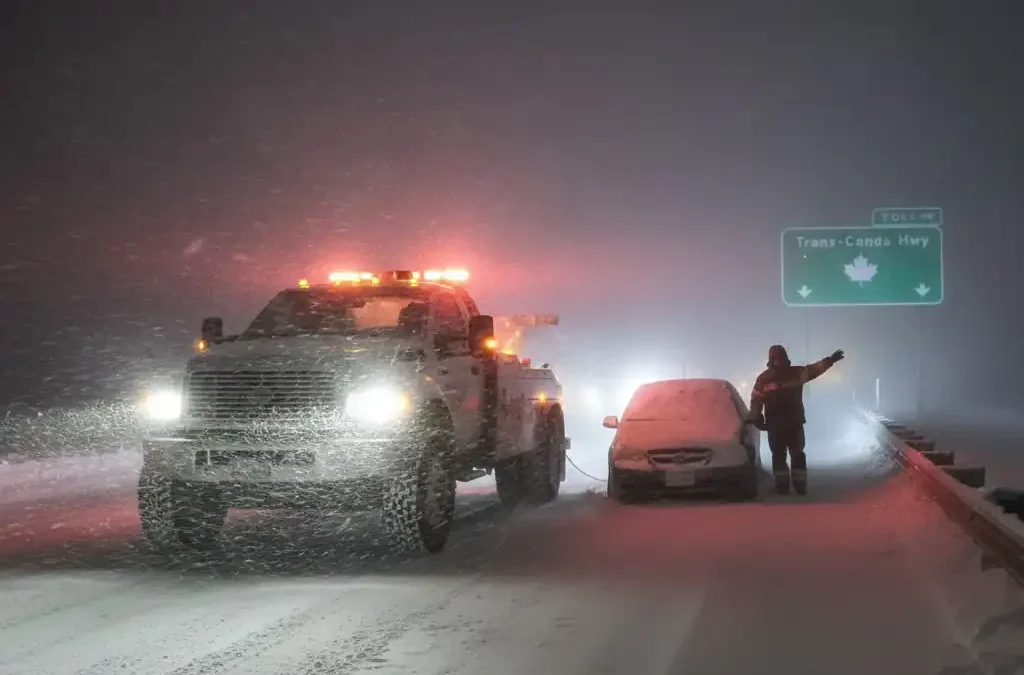
Response times for Edmonton towing typically range from 30 to 45 minutes under normal conditions, though this varies based on your location and current demand. During peak hours (rush hour, winter storms), wait times may extend to 60+ minutes. 24-hour Edmonton towing services prioritize emergency calls and strive for faster arrival.
Factors That Affect Response Time
Location. Central Edmonton locations (downtown core) typically see faster arrival than outlying areas. Distance from the towing company’s dispatch center matters significantly.
Time of Day. Night shifts and weekend hours may have fewer available trucks, extending response times. Winter emergencies increase demand.
Weather Conditions. Heavy snow, ice, or road closures can delay response times significantly across the Edmonton area.
Fleet Availability. Companies with more trucks and wider coverage areas typically respond faster. Emergency calls are prioritized over routine services.
When calling for roadside assistance Edmonton services, always provide your exact location, vehicle description, and the nature of the problem. This helps dispatchers send the most appropriate unit faster.
3. Do I Need a Flatbed or Regular Tow Truck?
The choice between flatbed and hook-and-chain towing depends on your vehicle type and situation. Flatbed towing is gentler and recommended for luxury vehicles, all-wheel drive cars, and damaged vehicles, while standard tow trucks work fine for simple breakdowns where the car can roll safely.
When to Choose Flatbed Towing
Use flatbed towing for luxury vehicles (BMW, Mercedes, Tesla), all-wheel drive vehicles, vehicles with suspension damage, or any car with transmission issues. Flatbeds lift your entire vehicle onto a flat platform, eliminating wheel contact with the road—protecting your car from additional damage.
When Standard Towing Works
Hook-and-chain or wheel-lift towing is suitable for simple breakdowns (dead battery, fuel issues, lockouts) where your vehicle’s brakes work and it can be safely rolled. Standard towing is faster and less expensive, but inspect your vehicle after to ensure no damage occurred.
⚠️ Warning
Never allow hook-and-chain towing on automatic transmission vehicles unless their wheels are lifted or they’re on a flatbed. Dragging an automatic transmission vehicle can cause thousands in transmission damage.
4. Does My Insurance Cover Towing Costs?
Insurance coverage for towing depends on your specific policy. Many comprehensive auto insurance policies include roadside assistance Edmonton coverage as a standard or optional add-on, but coverage limits and eligible services vary. Collision policies often cover towing after accidents, while standard liability does not.
Types of Insurance Coverage for Towing
Comprehensive Coverage: Typically includes towing for non-collision incidents (breakdowns, theft, weather damage). Coverage limits usually range from $50–$500 per incident.
Collision Coverage: Covers towing after accidents. Your insurer may have a preferred tow truck service or allow you to choose your own.
Roadside Assistance Add-On: A separate optional coverage that pays for towing, lockout services, fuel delivery, and tire changes. Monthly cost is typically $10–$20 but covers unlimited calls per year.
No Insurance? CAA Alberta membership provides annual roadside assistance, which is often more affordable than individual tow charges.
💡 Pro Tip
Before calling a tow truck, contact your insurance provider or check your policy documents. They can direct you to approved service providers and confirm your coverage limit. This prevents disputes about payment later.
5. What Should I Do After an Accident in Edmonton?
If you’ve been in a vehicle accident, follow Alberta’s legal requirements and prioritize safety. Accident towing Edmonton services can transport your damaged vehicle to a repair facility while you handle insurance claims.
Immediate Steps After an Accident
Check for Injuries. Ensure all occupants are safe. Call 911 if anyone is injured.
Call Edmonton Police (if required). Alberta law mandates reporting accidents that cause injury, death, or property damage exceeding $2,000.
Document the Scene. Take photos of vehicle damage, accident location, weather, and other vehicles involved. Get contact information from witnesses.
Exchange Information. Get the other driver’s name, phone, address, license plate, insurance provider, and policy number.
Call a Tow Truck. If your vehicle is undrivable or unsafe, request towing to a repair facility. Your insurer may recommend a preferred shop.
Report to Insurance. Contact your insurance company within 24–48 hours to report the accident and file a claim.
6. What Are My Rights as a Towing Customer in Alberta?
Alberta consumer protection laws grant you specific rights when using towing services. You have the right to transparent pricing, receipt documentation, proper vehicle handling, and recourse if service is poor. Service Alberta’s consumer protection office enforces these rights.
Your Towing Customer Rights
Right to a Written Quote: Before towing begins, you’re entitled to a written or verbal quote. The final bill should not exceed this estimate without your approval.
Right to Choose Your Destination: Unless your vehicle is illegally parked or impounded, you can direct the tow truck operator to take your vehicle to a specific repair shop or storage facility.
Right to Itemized Invoice: Request a detailed invoice showing all charges: base fee, distance, equipment used, and any additional services. This protects you and helps with insurance claims.
Right to Vehicle Inspection: You can inspect your vehicle’s condition before and after towing. Take photos if you suspect damage was caused by improper handling.
Right to Refuse Service: If a company’s pricing seems unreasonable or their behavior unprofessional, you can decline their services and call another operator.
Have More Questions? Call Us Anytime
24/7 towing and roadside assistance across Edmonton
7. What Towing Services Are Available for Specific Situations?
Edmonton towing companies offer specialized services beyond basic vehicle transport. Whether you need battery boost services, lockout assistance, or recovery from a ditch, professional tow truck operators have the equipment and expertise.
Common Specialty Services
Breakdown Towing: Vehicle won’t start, has transmission failure, or engine issues. The tow truck operator safely transports your vehicle to a mechanic.
Tire Change Service: Roadside tire replacement for flat tires. Operators can also assist with minor repairs like fuel delivery or lockout services.
Winching & Recovery: Extract vehicles stuck in ditches, mud, snow, or off-road situations. This specialized service requires trained operators and heavy equipment.
Lockout Service: If you’re locked out of your vehicle, professional locksmiths or towing operators can assist without damaging your car.
Scrap & Junk Vehicle Removal: Safely dispose of totaled, non-operational, or end-of-life vehicles with proper environmental handling.
8. Is Towing Available 24/7 in Edmonton?
Yes. 24-hour Edmonton towing services operate around the clock to assist drivers at any time. Emergency breakdowns don’t follow business hours, and professional towing companies maintain night and weekend shifts to serve the entire Edmonton area.
When you call for emergency towing after hours, your call routes to a dispatcher who coordinates with available operators. You’ll typically pay a standard base rate plus any after-hours surcharge (usually 25–50% extra). Night and weekend availability is especially important during Alberta’s winter months when breakdowns increase.
💡 Pro Tip
Save the 24/7 towing number in your phone before you need it. Having contact information readily available means faster help when you’re stranded late at night.
9. How Is My Vehicle Protected During Towing?
Professional towing companies in Edmonton follow safety protocols to protect your vehicle during transport. Vehicles are secured with straps or chains, lifted carefully to avoid contact with road surfaces, and operated by trained technicians. However, understanding the towing process helps you verify proper handling and file claims if damage occurs.
Vehicle Protection Standards
Proper Securing: Professional operators use quality straps, chains, and rigging equipment rated for your vehicle’s weight. All four wheels should be secure, and pressure should be distributed evenly to prevent frame damage.
No Dragging: Reputable tow truck operators never drag vehicles along the road. Dragging causes transmission damage (especially on automatic transmissions) and tire/suspension wear.
Correct Towing Method: Wheel-lift towing should only be used on vehicles with manual transmissions and working brakes. Flatbed towing is the safest option for most vehicles and always recommended for AWD, luxury, or damaged vehicles.
Insurance Liability: Most professional towing companies carry liability insurance covering damage caused by improper towing. If your vehicle is damaged, document it with photos and request an accident report from the towing operator.
10. What Should I Know About Long-Distance Towing?
Long-distance towing from Edmonton to other Alberta cities or across provincial borders requires advance planning. These operations are more complex than local tows and involve longer travel times, fuel costs, and multi-hour operations.
Long-Distance Towing Considerations
Pricing Structure: Long-distance tows charge a base fee plus per-kilometer rates. A tow from Edmonton to Calgary (300 km) might cost $600–$1,200+ depending on vehicle size and complexity.
Booking Requirements: Contact the towing company well in advance. They need time to schedule operators, plan routes, and coordinate with dispatch. Emergency long-distance tows may incur premium rates.
Route Planning: Confirm the destination in advance. Operators will take the most direct highway route, though you can request specific paths or detours.
Flatbed Requirement: For any long-distance tow, insist on flatbed service. Your vehicle sits on a flat platform for the entire journey, protecting it from mechanical stress and road hazards.
Communication: Get the operator’s direct phone number and periodic updates on arrival time. Long-distance tows may take 4–8+ hours depending on distance and weather.
Ready to Get Help?
Quick, reliable Edmonton towing — call now for immediate assistance
11. What’s the Difference Between Towing Companies in Edmonton?
Not all towing operators in Edmonton are equal. Factors like licensing, insurance coverage, equipment quality, operator training, and response time vary significantly. Choosing a reputable, established company protects your vehicle and ensures professional service during an emergency.
What to Look for in a Towing Company
Licensing & Credentials: Verify the company holds proper provincial licensing and operates legally under Alberta regulations. Check for memberships in industry associations like CAA or provincial towing associations.
Insurance Coverage: Confirm they carry liability insurance protecting your vehicle during towing. Ask to see proof before services begin.
Equipment Quality: Look for well-maintained trucks, modern flatbeds, proper rigging equipment, and clean vehicles. Poor equipment indicates poor maintenance and higher damage risk.
Operator Training: Professional towing requires specialized training. Ask if operators are certified and experienced with various vehicle types.
Customer Reviews: Check Google, Facebook, and industry reviews. Multiple positive reviews and quick response time indicate reliability.
Transparent Pricing: Legitimate companies provide upfront quotes without pressure. Avoid operators who demand payment before providing a written estimate.
12. Can I Prevent Towing Emergencies?
While some breakdowns are unavoidable, vehicle maintenance significantly reduces towing emergencies. Regular servicing, seasonal preparation, and checking fluid levels before long trips can prevent many roadside emergencies that require breakdown towing Edmonton services.
Preventive Maintenance Tips
Regular Oil Changes. Follow your vehicle manufacturer’s recommended oil change intervals (typically every 5,000–10,000 km). Fresh oil prevents engine damage.
Battery Maintenance. Test your battery annually, especially before winter. A weak battery is the leading cause of roadside emergencies.
Tire Inspection. Check tire pressure monthly and rotate tires every 10,000 km. Proper inflation extends tire life and improves fuel efficiency.
Winter Preparation. Install winter tires in Alberta (legally required November–March). Use proper washer fluid and check brake condition before cold months.
Fluid Level Checks. Before long trips, check oil, coolant, transmission fluid, and brake fluid. Low fluid levels cause overheating and mechanical failure.
13. What Information Should I Have Ready When Calling for Towing?
When you call for towing, dispatchers need specific information to send the right equipment and operator. Having this information prepared speeds up response and ensures you get appropriate service for your situation.
Essential Information to Provide
Your Location. Provide your exact street address, highway exit, or landmark. Use GPS coordinates if available. Include cross streets for easier navigation.
Vehicle Description. Year, make, model, color, and license plate. This helps the driver identify your car quickly.
Problem Description. Is the car not starting? Dead battery? In an accident? Broken down? This determines what equipment and expertise the operator needs.
Destination. Where should the tow truck take your vehicle? A repair shop, insurance assessor, home, or storage facility?
Insurance Information. If you have coverage, provide your insurance provider and policy number. This speeds up claim processing.
Contact Number. Ensure your phone number is correct so the dispatcher can reach you with updates.
14. Are There Towing Services for Specific Vehicle Types?
Specialized towing Edmonton services cater to different vehicle types. Heavy trucks require different equipment than sedans, luxury vehicles need careful handling, and motorcycles require specific rigging. Professional operators understand these differences.
Passenger Cars: Standard towing equipment works well. Wheel-lift or flatbed service depending on condition.
Trucks & SUVs: Heavy-duty towing equipment handles larger vehicles. Ensure the operator uses proper weight distribution techniques.
Luxury Vehicles (BMW, Mercedes, Tesla): Always request flatbed service. These vehicles have sophisticated suspension and electrical systems that can be damaged by improper towing.
All-Wheel Drive Vehicles: Cannot be towed with wheels on the ground. Flatbed towing is mandatory to prevent transmission damage.
Motorcycles: Require specialized motorcycle carriers with proper support. Regular towing equipment will damage the bike.
15. What Is the Next Step After My Vehicle Is Towed?
Once your vehicle arrives at its destination (repair shop, storage, insurance assessor), your next steps depend on the situation. Whether you’re filing an insurance claim, arranging repairs, or disposing of a totaled vehicle, understanding the process ensures smooth resolution.
After-Towing Steps
For Insurance Claims: Contact your insurance adjuster immediately. Provide the towing location, vehicle condition photos, and police report information (if applicable). The adjuster will assess damage and determine repair coverage or total loss value.
For Repairs: Meet with your mechanic or body shop to review the damage estimate. Discuss timeline, parts availability, and rental car coverage if needed. Keep all repair receipts for insurance documentation.
For Storage: If towed to a storage facility, confirm the per-day storage rate and payment terms. Arrange vehicle retrieval or authorize repairs if the situation requires extended storage.
For Junk/Scrap Vehicles: Work with the towing company to finalize paperwork. You may receive a receipt for tax purposes or documentation proving vehicle disposal.
Edmonton’s Trusted Towing Service
Available 24/7 • Fast response • Transparent pricing
10 Additional Common Towing Questions
Can I call any towing company, or do I need to use my insurance’s preferred provider?
In Alberta, you have the right to choose your own towing company unless your vehicle is impounded or in a collision recovery situation. However, using your insurance’s preferred provider may ensure faster claim processing. Always get approval from insurance before authorizing repairs to ensure coverage.
What if I’m charged more than the quoted price?
Alberta consumer protection regulations prohibit billing beyond the quoted price without your authorization. If overcharged, request an itemized invoice and contact Service Alberta or file a complaint with the Better Business Bureau. Keep documentation of the quote and final charges.
Do I need to be present when my vehicle is towed?
Yes, it’s strongly recommended to be present or authorize someone on your behalf. This ensures you verify the vehicle condition before towing, confirm the destination, and receive the proper documentation. If absent, provide written authorization to the operator.
Can the towing company charge for storage at their facility?
Yes, storage fees are legal but must be disclosed upfront. Typical rates range from $15–$30 per day. If your vehicle will be stored, negotiate a rate and confirm payment terms before authorizing towing. Request a receipt showing daily storage charges.
What happens if my car breaks down on the highway?
Move your vehicle to the shoulder if safe to do so. Turn on hazard lights and stay inside with seatbelt fastened. Call 911 if you feel unsafe. For non-emergency breakdowns, call a towing company directly or contact the RCMP non-emergency line. Provide your exact location and highway details.
Is towing covered if my car is damaged by weather or natural disasters?
Most comprehensive insurance policies cover towing for weather-related damage (hail, flooding, falling trees). Collision and fire/theft coverage also include towing. Check your specific policy or contact your insurer to confirm coverage for weather events.
Can I negotiate towing prices in Edmonton?
Yes, prices may be negotiable, especially for long-distance or complex tows. Call multiple towing companies for quotes and compare rates. If you have regular towing needs, ask about discount packages or fleet rates. Always get quotes in writing before committing.
What if the towing company damages my vehicle?
Document all damage with photos before and after towing. Request a written statement from the operator about any damage they observe. File a claim with the towing company’s liability insurance within 30 days. Keep all receipts and invoices for the claim process.
How do I report a problem with a towing service?
File complaints with Service Alberta Consumer Protection, the Better Business Bureau, or the RCMP if laws were violated. Provide documentation including quotes, invoices, photos, and communication records. Industry associations like CAA can also mediate disputes between customers and towing operators.
What should be in my vehicle emergency kit for breakdowns?
Keep jumper cables or a jump starter, flashlight, basic tools, reflective triangles, blanket, water, first aid kit, and phone charger in your car. A roadside assistance number saved in your phone is essential. During winter, add snow chains or sand/kitty litter for traction. These items help you wait safely until towing arrives.