Flat Tire in Freezing Weather: What Edmonton Drivers Need to Know
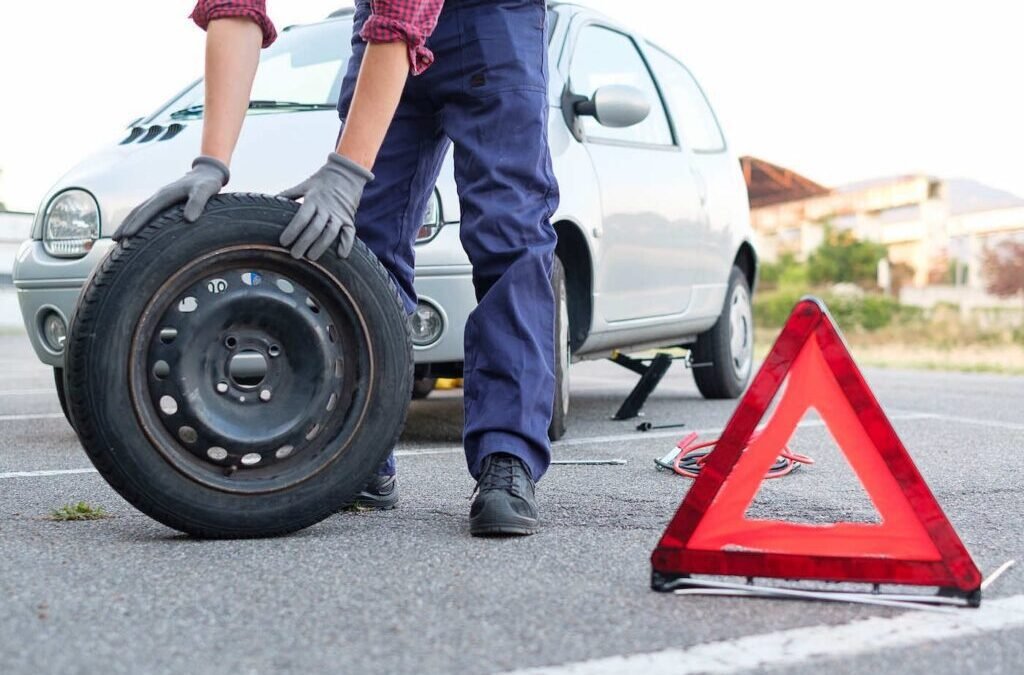
You’re driving home from work when you feel that unmistakable thump-thump-thump—a flat tire. Now you’re facing a choice: change it yourself in -25°C weather with frozen fingers and icy road conditions, or call for professional help. Edmonton’s winter makes roadside tire changes dangerous and difficult. Between frozen lug nuts, numb hands, and passing traffic on slippery roads, what should be a simple 15-minute job becomes a risky ordeal. This guide explains why flat tires happen more often in winter, what you should and shouldn’t do, and how professional mobile tire service keeps you safe.
Why Flat Tires Are More Common in Edmonton Winter
Flat tires spike dramatically during Edmonton winters due to several cold-weather factors. Extreme temperature changes cause tire pressure to drop—for every 10°C decrease in temperature, tires lose about 1-2 PSI of pressure. A tire that was properly inflated in September can be dangerously underinflated by January, increasing the risk of damage and blowouts.
Potholes multiply in winter as freeze-thaw cycles crack pavement. Edmonton’s roads develop massive potholes that can puncture tires or damage sidewalls when hit at speed. Fresh snow often hides these potholes completely, giving drivers no chance to avoid them. Ice chunks and road debris also become hazards—frozen chunks of ice thrown up by other vehicles can puncture tires, and salt, gravel, and debris on winter roads cause slow leaks and sidewall damage.
Older tires are especially vulnerable. If your tires are over five years old or the tread is worn below 5mm, winter conditions expose every weakness. Small cracks and weak spots that survived summer fail quickly in extreme cold. This is why many Edmonton drivers experience their first flat of the winter during the coldest weeks of January and February.
The Dangers of Changing Your Own Tire in Winter
Frozen Lug Nuts and Equipment
Metal contracts in cold temperatures, causing lug nuts to seize tighter than normal. Your standard tire iron might not provide enough leverage to break frozen lug nuts free, especially if they were over-torqued during the last tire change. Many drivers strip lug nuts trying to force them, creating an even bigger problem that requires professional equipment to fix.
Your car jack and tools are also cold-soaked. Metal becomes brittle, hydraulic jacks may not function properly, and plastic components can crack under stress. Attempting to lift your vehicle on an icy shoulder with compromised equipment is dangerous—jacks can slip, fail, or break entirely in extreme cold.
Frostbite and Hypothermia Risk
Changing a tire typically takes 15-30 minutes in ideal conditions. In -25°C weather with wind chill, exposed skin can develop frostbite in under 10 minutes. Your hands will be numb almost immediately, making it difficult to grip tools, position the spare properly, or thread lug nuts back on. Working with cold metal tools bare-handed accelerates heat loss from your fingers.
If you’re not dressed for extended outdoor exposure—and most people aren’t when they leave for work in the morning—you risk hypothermia while struggling with frozen equipment. The physical exertion of wrestling with frozen lug nuts makes you sweat, and that moisture against your skin dramatically increases heat loss.
Traffic Danger on Busy Roads
Many Edmonton drivers get flats on high-traffic roads like Whitemud Drive, Yellowhead Trail, or Anthony Henday Drive. Changing a tire on these shoulders puts you mere feet from vehicles traveling 80-100 km/h on icy roads with reduced stopping distances. Visibility is often poor in winter—blowing snow, early darkness, and ice-covered windshields mean other drivers may not see you until it’s too late.
Kneeling beside your vehicle to position the jack or remove lug nuts puts your body partially in the traffic lane. One distracted driver sliding on ice could cause a catastrophic accident. Emergency responders report numerous injuries and fatalities each winter from pedestrians struck while working on disabled vehicles along highways.
Spare Tire Problems
Many Edmonton drivers discover too late that their spare tire is flat, missing, or damaged. Compact “donut” spare tires lose pressure over time, and extreme cold exaggerates this problem. If you haven’t checked your spare since last spring, there’s a good chance it won’t hold enough air to use safely.
Even if your spare is properly inflated, temporary spares aren’t designed for winter driving conditions. Donut spares have minimal tread, narrow width, and limited speed ratings—typically 80 km/h maximum. Driving on winter roads with a temporary spare is risky, especially if you need to travel more than a few kilometers to reach a tire shop.
What to Do When You Get a Flat Tire
Get to Safety Immediately
The moment you realize you have a flat tire, focus on reaching the safest possible location. If you’re on a highway, signal and carefully move to the widest part of the shoulder, as far from traffic as possible. On city streets, pull into a parking lot, side street, or anywhere away from moving vehicles. Turn on your hazard lights immediately to alert other drivers.
If your tire is completely flat and you must drive on it briefly to reach safety, do so slowly. Driving on a flat tire causes wheel and suspension damage, but that’s better than being struck by another vehicle while changing a tire in a dangerous location. Your safety is always more important than potential vehicle damage.
Stay Inside Your Vehicle
Once you’re in a safe location, stay inside your vehicle with your seatbelt fastened. This is especially critical on highway shoulders or busy roads. Your car provides both shelter from cold and protection from traffic. Modern vehicles are designed with crumple zones and safety features that protect occupants—standing outside offers no such protection.
Keep your engine running if possible to maintain heat, but crack a window slightly to prevent carbon monoxide buildup if snow is accumulating around your exhaust pipe. Don’t stand outside your vehicle inspecting the tire or attempting repairs unless you’re in a completely safe location like an empty parking lot.
Call Professional Mobile Tire Service
Instead of risking injury or vehicle damage, call (780) 652-0521 for professional mobile tire change service. We come to your exact location with commercial-grade equipment that works reliably in extreme cold. Our technicians have proper tools, winter clothing, safety equipment, and experience changing tires safely in Edmonton winter conditions.
When you call, provide your exact location using landmarks or GPS coordinates, describe your vehicle and which tire is flat, mention if you’re on a highway or in a parking lot, and specify if you have a spare tire available. We’ll dispatch the nearest available service vehicle and provide an accurate ETA so you can stay warm inside your car while help is on the way.
Professional Mobile Tire Change Service
Our mobile tire service brings everything needed to change your flat tire safely and quickly, no matter where you’re stranded in Edmonton. We arrive with industrial-grade hydraulic jacks rated for winter conditions, impact wrenches that easily remove frozen lug nuts, proper torque wrenches to secure your spare correctly, high-visibility safety equipment and lighting, and cold-weather gear so technicians can work comfortably even in -40°C.
The entire process typically takes 15-20 minutes from arrival. We position our service vehicle to shield you from traffic, safely lift your car using proper jacking points, remove the damaged tire and inspect the wheel, install your spare tire and torque lug nuts to manufacturer specifications, and lower your vehicle and perform a final safety check. You stay warm inside your car while we handle everything in the cold.
We serve all Edmonton areas including Downtown, Mill Woods, West Edmonton, Strathcona, and surrounding neighborhoods. Whether you’re stuck on a residential street, in a shopping mall parking lot, or on the shoulder of a major highway, our 24/7 roadside assistance reaches you quickly.
When You Don’t Have a Spare Tire
Many newer vehicles don’t include spare tires—manufacturers save weight and cost by providing only tire repair kits or run-flat tires. If you discover you don’t have a spare, or if your spare is also flat or damaged, you’ll need towing service to transport your vehicle to a tire shop.
We provide flatbed towing when necessary to move your vehicle safely. This is especially important for AWD vehicles, luxury cars, and any vehicle with low ground clearance. Our flatbed service lifts your entire vehicle off the ground, preventing further damage from towing on a flat tire.
If you have a tire repair kit, our technicians can often use it to temporarily seal small punctures. However, these kits only work for certain types of damage—punctures in the tread area smaller than 6mm. Sidewall damage, large punctures, or torn tires require full replacement. We’ll assess the damage and recommend the best solution.
Temporary Spare Tire Safety Tips
If we install your temporary spare tire, understand its limitations. Donut spares are designed only for short-distance emergency use, not regular driving. Speed limit is typically 80 km/h maximum—driving faster risks tire failure. Distance limit is usually 70-100 km before replacement is needed. No highway driving in poor weather conditions is recommended. Reduced handling and braking performance compared to regular tires means you should avoid sudden maneuvers or hard braking.
Drive directly to a tire shop to have your damaged tire repaired or replaced. Don’t use a temporary spare for multiple days or long-distance travel. The longer you drive on a spare, the greater your risk of a dangerous blowout or loss of control, especially on Edmonton’s icy winter roads.
Preventing Winter Flat Tires
Check Tire Pressure Weekly
Tire pressure drops in cold weather, so check all four tires (plus your spare) every week during winter. Use a quality tire gauge when tires are cold—before driving. The correct pressure is listed on a sticker inside your driver’s door jamb, not the maximum pressure stamped on the tire sidewall. Proper inflation prevents damage from potholes and ice, improves fuel efficiency, and ensures maximum traction on snow and ice.
Inspect Tires for Winter Damage
Walk around your vehicle regularly and look for signs of tire damage including bulges or bubbles in the sidewall indicating internal damage, cracks or cuts in the rubber from cold and road debris, embedded objects like nails, screws, or metal fragments, and uneven wear patterns suggesting alignment or suspension problems. Catching damage early allows repair before it becomes a dangerous blowout on a cold highway.
Replace Worn Tires Before Winter
Winter tires should have at least 5mm of tread depth—the legal minimum of 1.6mm is completely inadequate for Edmonton winter conditions. Check tread depth using a Canadian quarter—insert it into the tread groove with the caribou nose first. If you can see the nose, your tires need replacement. Worn tires are more vulnerable to punctures, provide minimal traction, and are more likely to fail in extreme cold.
Avoid Potholes and Road Debris
Stay alert and scan the road ahead for potholes, ice chunks, and debris. Slow down when you can’t avoid hazards—hitting a pothole at 50 km/h causes far more damage than hitting the same pothole at 30 km/h. After heavy snow, be especially cautious as fresh snow hides potholes completely. Watch for other vehicles suddenly swerving—they’re often avoiding hidden hazards you can’t see.
Carry a Winter Emergency Kit
Every Edmonton vehicle should carry a winter emergency kit including warm blankets or sleeping bag, extra winter clothing, high-visibility vest or reflective triangle, flashlight with fresh batteries, charged phone or portable charger, and emergency contact numbers including roadside assistance. Even if you never change your own tire, these items keep you safe while waiting for professional help in extreme cold.
Flat Tire vs. Slow Leak: How to Tell the Difference
Not all tire problems are obvious flats. Slow leaks are common in winter and can be dangerous if ignored. A flat tire is immediately noticeable—the steering pulls to one side, you hear thumping sounds, the vehicle rides rough, and the tire appears visibly deflated. Pull over immediately when you notice these symptoms.
A slow leak is more subtle. You might notice your tire pressure warning light comes on repeatedly, one tire needs air more frequently than others, or the vehicle pulls slightly during driving but not dramatically. Slow leaks often result from damaged valve stems in cold weather, small punctures from nails or screws, or corrosion around the rim seal allowing air to escape gradually.
Don’t ignore slow leaks thinking you can just add air occasionally. The tire can fail suddenly, especially when hitting a pothole or during highway driving. If you’re repeatedly adding air to the same tire, have it professionally inspected. We can identify the leak source and recommend repair or replacement.
Tire Service Across Edmonton
We provide mobile tire change service throughout Edmonton and surrounding areas. Our service vehicles are strategically positioned across the city to ensure fast response times. We regularly assist drivers in Oliver, Glenora, Highlands, Capilano, and every other Edmonton neighborhood.
We also respond to highway calls on Anthony Henday Drive, Whitemud Drive, Yellowhead Trail, and surrounding rural roads. Highway calls receive priority dispatch due to increased safety risks. Our vehicles are equipped with high-visibility lighting and safety equipment to protect both our technicians and you while working near traffic.
Frequently Asked Questions
How much does mobile tire change service cost in Edmonton?
Mobile tire change service typically costs $99-$150 depending on your location and time of day. This includes dispatch, professional installation of your spare tire, proper torque of lug nuts, and safety checks. After-hours service or highway calls may include small additional fees. Call (780) 652-0521 for an exact quote before we dispatch—we provide upfront pricing with no hidden charges.
How long does it take for service to arrive?
Average response time is 20-30 minutes in Edmonton city limits. Highway calls and priority emergencies often receive faster service. Rural locations outside the city may take 45-60 minutes depending on distance. When you call, we’ll provide an accurate ETA based on current traffic and weather conditions. We also send text updates so you know exactly when help will arrive.
Can you change a tire on a busy highway?
Yes, we regularly perform tire changes on highway shoulders. Our technicians are trained in traffic safety protocols and our service vehicles have high-visibility emergency lighting. We position our truck to shield you and your vehicle from traffic while working. However, if conditions are too dangerous, we may recommend towing your vehicle to a safer location first.
What if my spare tire is also flat?
If your spare is flat, damaged, or missing, we’ll provide towing service to transport your vehicle to a tire shop. We can tow you to your preferred location or recommend a nearby shop. Many drivers choose flatbed towing to prevent further damage, especially for AWD or luxury vehicles.
Do you provide actual tire replacement or just spare installation?
Our mobile service installs your spare tire on-site. For permanent tire replacement, you’ll need to visit a tire shop once your spare is installed. However, if your tire has a simple puncture in the tread, we can sometimes perform temporary repairs using professional tire plugs. These repairs get you safely to a tire shop for permanent patching.
Can you service all vehicle types?
We service all passenger vehicles including sedans, SUVs, trucks, vans, and crossovers. We handle standard tires, low-profile performance tires, and truck tires. For larger commercial vehicles or vehicles with specialty wheels, call ahead and we’ll confirm we have the correct equipment. We also assist with motorcycle tire issues though transport is usually required.
Is it safe to drive with my tire pressure warning light on?
No. The tire pressure warning light indicates one or more tires are significantly underinflated. Driving on underinflated tires causes overheating, uneven wear, poor handling, and dramatically increases blowout risk—especially in cold weather or when hitting potholes. Pull over safely and check your tires immediately. If you see visible damage or severe deflation, don’t drive—call for service.
Does insurance cover mobile tire service?
Many comprehensive auto insurance policies include roadside assistance coverage that pays for tire changes, battery boosts, and towing. Check your policy or call your insurer to confirm coverage. We provide detailed receipts for insurance claims and can often bill directly to major insurance providers. Even without coverage, our service costs less than risking injury changing a tire yourself in -30°C weather.
Don’t Risk It—Call for Professional Help
Changing a tire in Edmonton winter isn’t worth the risk to your safety. Between frozen equipment, extreme cold, traffic dangers, and the physical difficulty of the job, you’re far better off calling professionals who have the right tools and training. Our mobile roadside assistance is available 24/7 across Edmonton for tire changes, battery boosts, lockouts, and emergency towing.
Call (780) 652-0521 the moment you realize you have a flat tire. We’ll dispatch immediately and have you back on the road safely in under an hour. Stay warm, stay safe, and let us handle the cold, dangerous work. That’s what we’re here for—reliable help when Edmonton winter throws you a problem.